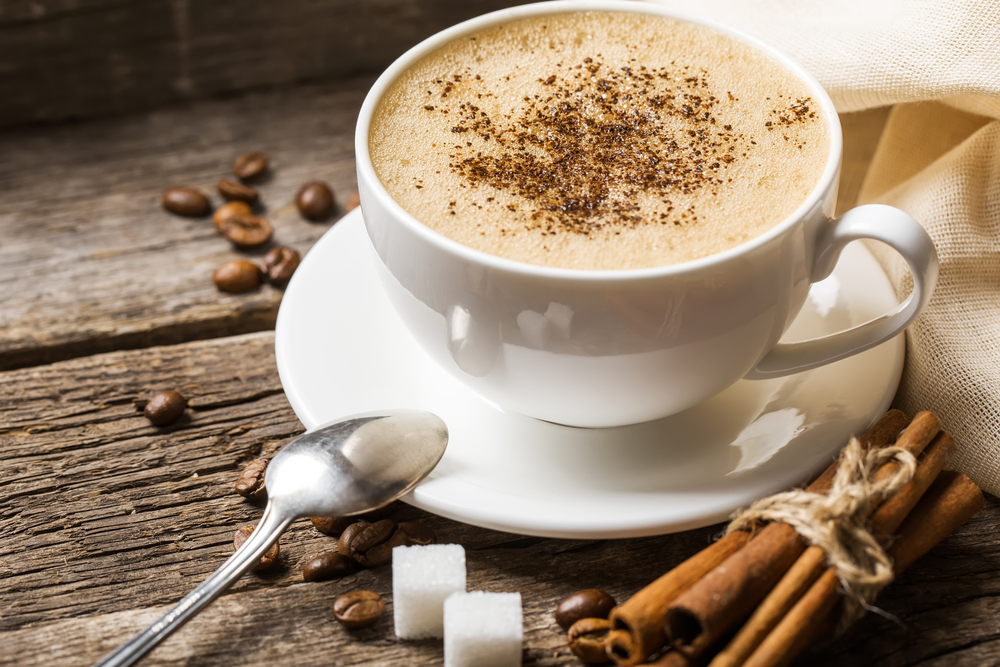
A good cup of coffee is never an accident. It starts as a raw bean with no real aroma, then transforms completely once heat touches it. The way that the bean is roasted decides whether your coffee tastes bright, sweet, bold or intense. At Van Lavino, every cup reflects that careful journey.
If you have ever wondered why one brew feels light and fruity while another tastes deep and strong, it all comes down to the roast. This blog breaks down roast levels explained in a clear way, so you finally understand light roast vs dark roast and how roasting affects flavour in your everyday cup.
The Bean before the Roast
Every cup begins with the raw, green coffee bean, which contains grassy notes, mild acidity and lacks any coffee character. The coffee aroma and flavour we identify with coffee are created through the application of heat.
Roasting is an art of balancing between chemistry and timing. Heat causes caramelisation, sugar breakdown, oil migration and the release of aromatic tones. If you heat it too much, you will lose the bean’s personality. If you don’t heat it enough, the bean doesn’t get the perfect taste.
This is why roast levels matter more than most people realize.
The Journey inside the Roaster
As beans rotate in a high temperature drum, they reach stages that roasters call cracks.
The first crack sounds like popcorn. It means that the beans are roasted lightly. The second crack is sharper. It makes the coffee beans get a bolder taste.
Each level changes the flavour, aroma, acidity and feel of the coffee.
- Light Roast: The light roasted beans are removed after the first crack. They have the taste of the original bean with minimal roasting.
Flavour Notes
It has bright acidity, fruity or floral notes and a lively finish.
A good light roast tastes clean and layered with nuances you do not find in darker roasts.
Will you like it?
If you are someone who enjoys tea-like textures or fresh citrusy hints, then this is perfect for you.
Some Brews you can make with these
Some of the brews that you can make with light roast beans are:
Pour over
Aeropress
Cold drip
These methods keep the delicate notes intact.
- Medium Roast: Medium roast sits at the sweet spot where natural bean flavour and roast character meet halfway.
Flavour Notes
Balanced body, moderate acidity, slight sweetness and mild chocolatiness.
You get complexity without the sharpness.
Will you like it?
If you are someone who likes coffee that feels comfortable yet interesting, then you have to pick this.
This is the most common choice for people who want depth without bitterness.
Some Brews you can make with these
The brews you can make with medium roast coffee beans are:
Filter coffee
French press
Espresso
Medium roast adapts well to milk based beverages too.
- Dark Roast: Dark roast enters the second crack stage. Oils rise to the surface and sugars caramelize more intensely. The bean’s original character is gone and the roast itself takes over.
Flavour Notes
Bold, smoky, chocolate rich, sometimes slightly bitter.
A dark roast is powerful and heavy bodied.
Will you like it?
If you love a strong cup with a confident flavour, try a dark roast brew.
Some Brews you can make with these
Some brews that are made with dark roast beans are:
- Espresso
- South Indian filter
- Mocha pot
Pairs beautifully with milk or cream.
Quick Comparison Table
| Feature | Light Roast | Medium Roast | Dark Roast |
| Flavour Profile | Bright, fruity, floral. | Balanced, sweet, slightly nutty | Bold, smokey, rich |
| Acidity | High | Moderate | Low |
| Sweetness | Fruit like | Caramel like | Deep, Molasses like |
| Body | Light and clean | Medium and Rounded | Heavy and Intense |
| Aroma | Fresh and lively | Warm and Comforting | Smoky and Strong |
| Bean Surface | Dry | Slightly Dry | Oily |
What Makes Van Lavino Special?
Van Lavino takes roasting and brewing seriously.
Every batch is made with care and roasted by experts who understand how small decisions change big flavours. When you walk in, you are not just getting a cup of coffee. You are tasting skill, precision and respect for the bean.
Whether you go for a fruity pour over or a bold cappuccino, the roasting journey shows up in every sip.
FAQs
- What roast is best for beginners?
- Medium roast is the safest starting point because it offers balance.
- Does dark roast taste bitter?
- It can have bitterness due to deeper caramelization, but a well roasted dark bean will still taste smooth.
- Should I choose a roast based on my brew method?
- Yes. Pour overs shine with light roasts. Espresso works beautifully with medium and dark roasts.
- Is oily coffee a bad sign?
- Not necessarily. Oily beans usually indicate a darker roast.
Conclusion
Coffee becomes more meaningful when you understand what creates its flavour. Roast levels are the heart of that transformation from bean to brew. Now that you know how roasting affects flavour, experience it where the craft truly shines.
Visit Van Lavino and explore brews that show the best of every roast. Let the aroma guide you in. Let the flavours keep you coming back.